The global momentum behind small modular reactors is accelerating, and with it comes a crucial question: how will the industry build the supply chains required to deploy fleets of reactors in the 2030s and beyond?
As Reuters highlighted this week, many developers are making foundational choices right now: whether to build components in-house or partner with experienced suppliers.
Those critical decisions will shape cost, schedules and risk long into the future.
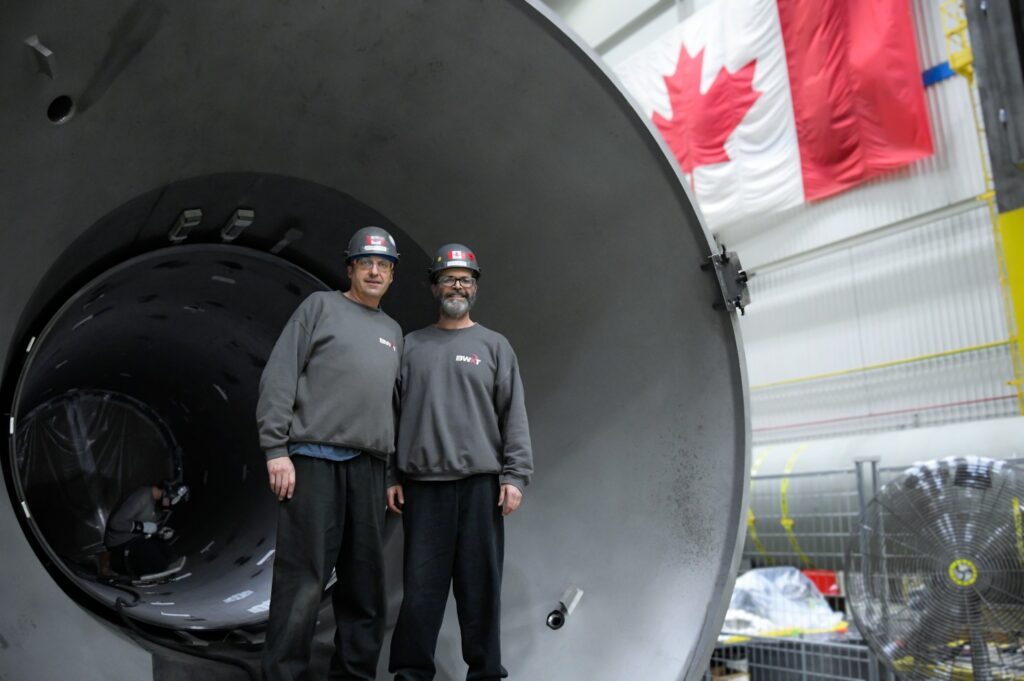
At BWXT, we see this dynamic firsthand. Our teams are manufacturing the GE Vernova Hitachi BWRX‑300 reactor pressure vessel for Ontario Power Generation’s Darlington site, designing a major component for Rolls‑Royce SMR and supporting TerraPower’s Natrium project. These programs depend on a resilient, scalable and highly skilled nuclear supply chain.
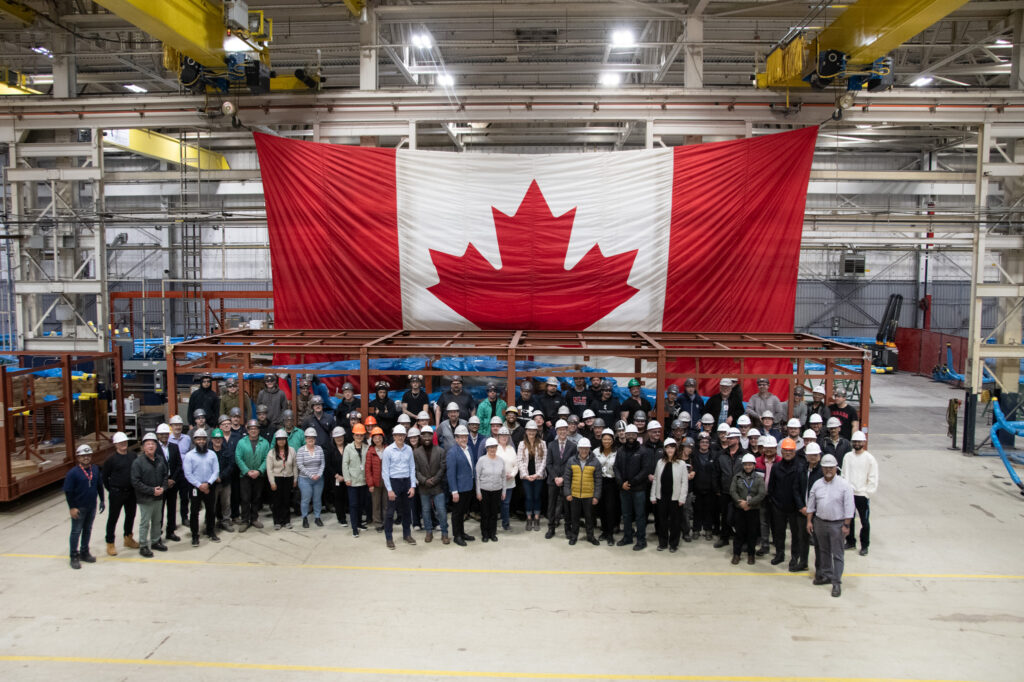
An important part of that readiness is investment. As I shared with Reuters, BWXT is investing C$80 million to expand and modernize our Cambridge, Ontario facility with advanced manufacturing equipment so we can meet growing demand for nuclear components. We’re also focused on recruiting and developing the skilled workforce required to build these reactors safely and reliably — something that has always been a strength and a cornerstone of BWXT’s 60‑plus year legacy.
These are exciting times for the nuclear sector. The decisions being made today, by developers, governments and suppliers alike, will shape our energy security and industrial capability for decades. BWXT is proud to play a central role in supporting deployment of new reactor technologies and building the supply chains that will power the next era of clean, reliable nuclear energy.